Linux distributions can supply a browser and its updates through the same package manager as the rest of the desktop. On openSUSE and SLES, Chromium is installed as the chromium RPM package.
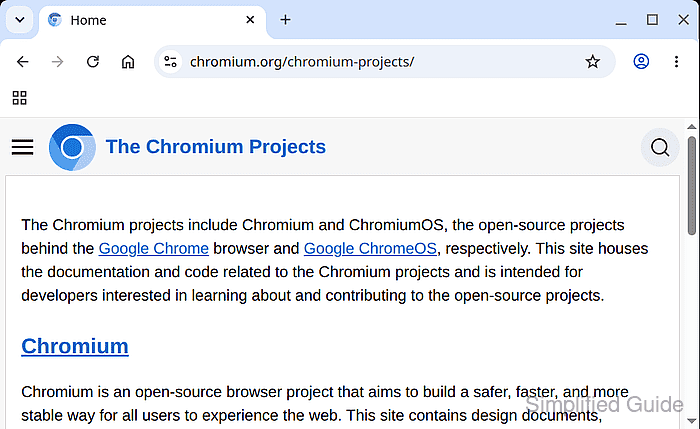
openSUSE provides Chromium through its distribution repositories. SLES uses the community-maintained SUSE Package Hub extension, which requires a registered system. Package availability depends on the SLES release and architecture, and Package Hub software does not carry standard SUSE enterprise support.
A SLES server needs a graphical desktop before Chromium can be used interactively. Package installation requires administrator privileges, but Chromium runs under the desktop account because the SUSE launcher disables browser sandboxing when started as root.
Steps to install Chromium on openSUSE and SLES:
- List the available extensions if you use a registered SLES system.
$ sudo SUSEConnect --list-extensions
These first two actions apply only to SLES. openSUSE already supplies the package through its distribution repositories. SUSE's Package Hub instructions explain the registration requirement and extension activation.
- Run the listed Package Hub activation command with sudo if you use SLES.
The command under Package Hub contains the product identifier for the installed release and architecture. An already activated extension needs no further activation. The Chromium package catalog lists available builds. Adding openSUSE repositories to SLES can introduce incompatible packages.
- Refresh the repository metadata.
$ sudo zypper refresh
Successful completion ends with All repositories have been refreshed. A failed refresh leaves the package list incomplete.
- Install the chromium package with Zypper.
$ sudo zypper install chromium
Zypper displays the dependencies, download size, and disk space needed before making changes. If the package is unavailable on SLES, its release and architecture must be covered by the enabled Package Hub repository.
- Approve the displayed Chromium package transaction with y.
Continue? [y/n/v/...? shows all options] (y): y
The download and installation must finish without errors before the browser can start.
- Launch Chromium from the desktop user's terminal.
$ chromium
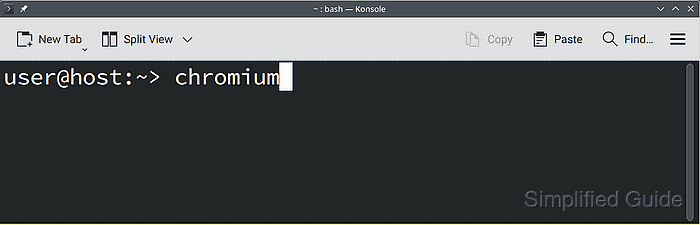
Running Chromium with sudo gives browser processes unnecessary privileges and can disable sandbox protection. Repository and package commands need elevation; Chromium does not.
On KDE, a wallet prompt may request the existing login wallet password when password storage is first used.
- Open https://www.chromium.org/ in Chromium's address bar.
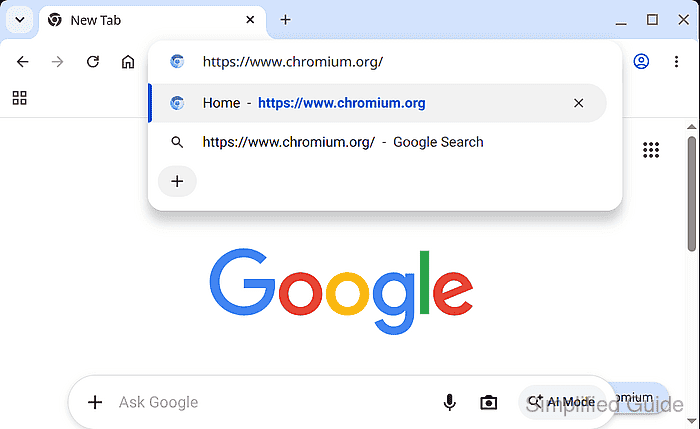
- Confirm that The Chromium Projects website loads without a connection error.
The address may redirect to chromium.org/chromium-projects/. A rendered web page confirms that the installed browser can start and browse over HTTPS.